Every 11 seconds, an older adult is treated in an emergency room for a fall-related injury. Medical alert systems — also called personal emergency response systems (PERS) — provide a critical safety net: the ability to call for help immediately, even if you are unable to reach a phone. The technology has advanced dramatically in recent years, and the range of options can be overwhelming. This guide breaks down what to look for and how to compare your choices.
In-Home vs. On-the-Go Systems
The most fundamental distinction is between in-home systems and mobile (on-the-go) systems. In-home systems use a base unit connected to your landline or cellular network and a wearable button you press in an emergency. They typically have a range of 600 to 1,300 feet from the base — enough to cover most homes and yards. Mobile systems use built-in cellular connectivity and GPS, allowing you to call for help anywhere — on a walk, in a parking lot, or while traveling.
Many seniors choose a combination: an in-home system for indoor use (better audio quality, longer battery life) and a mobile device for when they leave the house. If you are primarily homebound or travel infrequently, a dedicated in-home system may offer the best value.
Automatic Fall Detection: Is It Worth It?
Automatic fall detection uses accelerometers and algorithms to sense when a fall has occurred and automatically place an emergency call — even if you are unconscious or unable to press the button. This feature adds $10 to $15 per month to most plans. The key limitation is accuracy: current technology produces false alarms (bending over sharply, sitting down quickly) and may miss some fall types. Despite this, fall detection provides meaningful peace of mind, particularly for seniors who live alone or have a history of falls.
GPS Tracking for Active Seniors
GPS-enabled mobile systems allow monitoring center staff — and family members with a companion app — to locate you in an emergency. This is especially valuable for seniors with early-stage cognitive decline who may become disoriented. High-quality GPS devices now achieve location accuracy within 15 to 30 feet in open areas, though accuracy can decrease in dense urban environments or inside large buildings.
Monitoring Center: The Most Critical Factor
The device itself is only as good as the monitoring center it connects to. When you press the button, a trained operator answers, assesses the situation, and dispatches emergency services or contacts a designated family member. Key questions to ask about any monitoring center:
- Is it UL-listed (Underwriters Laboratories certified for safety)?
- Is it TMA Five Diamond certified — the highest standard in the industry?
- Are operators available 24/7/365 with no automated systems between you and a human?
- Are operators bilingual or multilingual if needed?
- What is the average response time from button press to operator answer?
Pricing: What to Expect
Most medical alert systems charge a monthly monitoring fee plus optional add-on costs. Typical pricing ranges:
- Basic in-home landline system: $20 to $35 per month
- In-home cellular system: $30 to $45 per month
- Mobile GPS system: $35 to $55 per month
- Automatic fall detection add-on: $10 to $15 per month
- Additional help buttons for spouse or second person: $10 to $20 per month
Be cautious of long-term contracts. The best providers offer month-to-month billing with no cancellation fees. Equipment should be provided at no upfront cost or for a modest one-time fee. Annual payment plans typically save 10 to 20% compared to monthly billing.
Wearable Design Matters
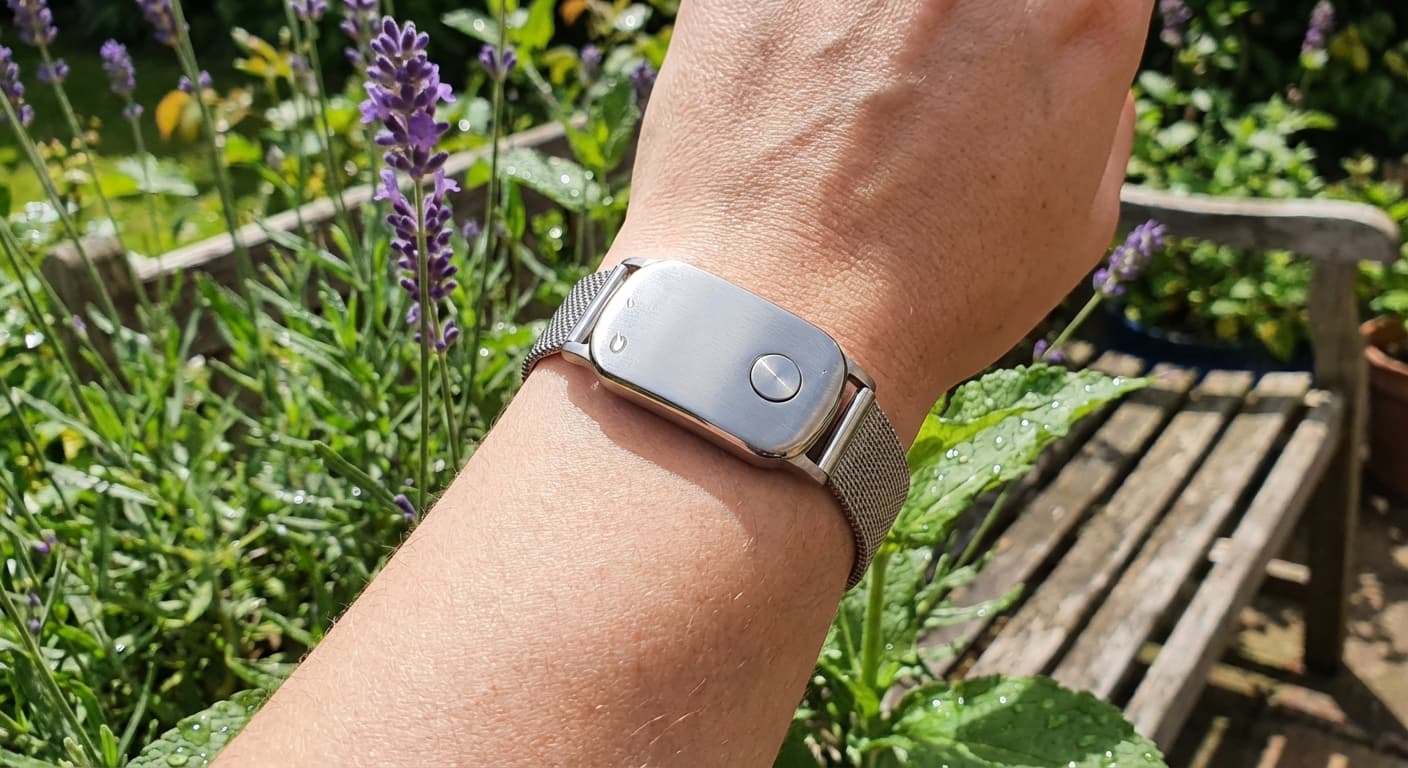
A medical alert system only works if the senior actually wears it consistently. Device design has become increasingly important: top systems now offer slim pendants, discreet wristbands that resemble smartwatches, and even stylish brooches. If the device feels stigmatizing or uncomfortable, it will sit on the nightstand during the moments it is most needed. When comparing options, always ask about device design and whether a free trial period is available.